
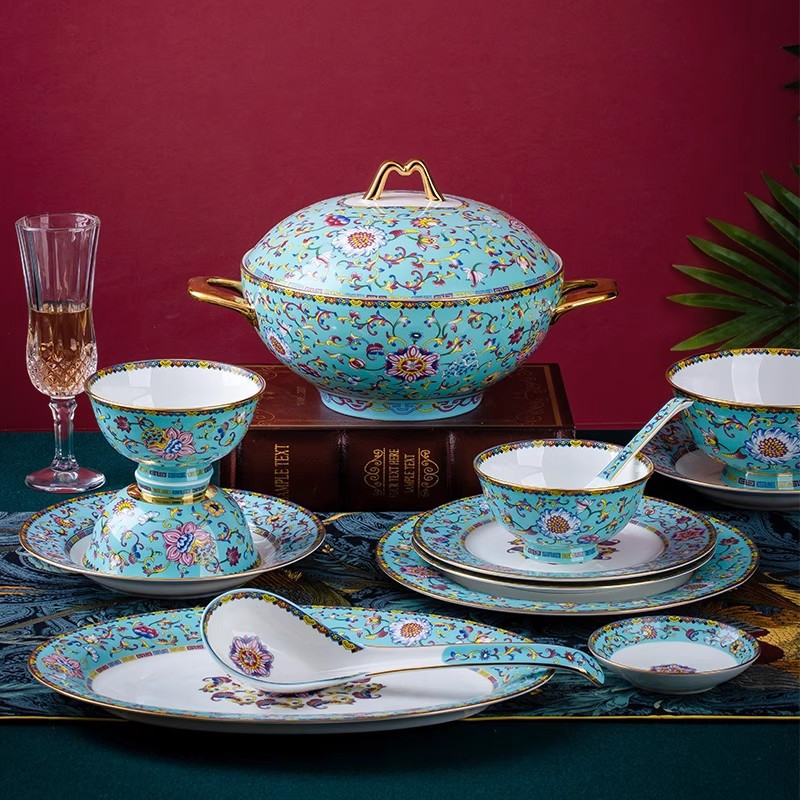
Glaze is what gives ceramic tableware its shine, colour and food-safe surface - but it is also where the biggest compliance risks lie. For importers, understanding glaze and food-contact safety is essential to avoid recalls and customs rejections.
1. What Glaze Does
Glaze is a glass-like coating fused onto the ceramic body during firing. It seals the porous body, provides a smooth cleanable surface and delivers the colour and pattern. Glazes range from glossy and transparent to matte, reactive and metallic-look finishes.
2. The Lead and Cadmium Question
Historically, lead was used in glazes and decorative paints to achieve bright colours and a smooth finish. Lead and cadmium can leach into food, especially with acidic foods or when the surface is damaged. Modern quality tableware uses lead-free and cadmium-free glazes.
Key standards to check:
- US FDA: limits on lead and cadmium leaching from food-contact surfaces.
- EU LFGB / 84/500/EEC: strict migration limits for ceramic food-contact articles.
- California Prop 65: additional warning thresholds.
- SGS / Intertek test reports: independent verification of migration levels.
3. Decoration Inside or Outside?
Decoration above the glaze (on-glaze) sits on the surface and is more prone to wear and leaching if applied to the food-contact area. Under-glaze or in-glaze decoration is protected by the glaze layer and is generally safer for the rim and interior. Always confirm where decoration is applied.
4. Practical Checks for Buyers
- Request up-to-date, item-specific test reports - not generic certificates.
- Confirm the glaze is lead-free and cadmium-free in writing.
- Check the food-contact area (rim and interior) for decoration type.
- Verify dishwasher and microwave safety claims.
- Ask about the factory's quality control and batch testing process.
Juxinmeng Ceramic produces lead-free and cadmium-free ceramic tableware with FDA, LFGB and SGS test reports available per item, plus OEM/ODM customisation. Contact us for compliance documents and samples.