Private label ceramic tableware is not only about the shape and the colour. What turns a generic dinnerware set into a branded product is the backstamp on the base, the decoration on the face, and the box it arrives in. Each of those has a technique behind it, a durability implication and a tooling or minimum-order cost.
This guide covers how branding is applied to ceramic tableware, which method suits which requirement, and how to specify packaging that survives the journey to the customer.
1. Where branding can live on a ceramic item
- Backstamp on the base - brand name, logo, product name, origin and care symbols. The standard place for permanent brand identity.
- Face decoration - border patterns, motifs, monograms, rim lines and gold or platinum bands on the visible surface.
- Moulded detail - embossed or debossed elements built into the shape itself, such as a relief logo on a handle or a textured rim.
- Packaging and labels - the box, insert, sleeve and any compliance labelling.
2. Backstamp methods and what each one means for durability
- Underglaze / in-glaze backstamp - applied before or during the glaze firing so the mark is sealed under the glaze. The most durable option, effectively permanent, and the normal choice for a brand that must survive years of washing.
- On-glaze decal backstamp - applied over the glaze and fired at a lower temperature. Crisper fine detail and easier to change, but less resistant than an underglaze mark; it should be positioned where it is not scoured in use.
- Moulded (embossed) mark - formed in the mould and visible in the fired body. Adds no consumable cost once the tool exists, but is limited in detail and cannot carry colour.
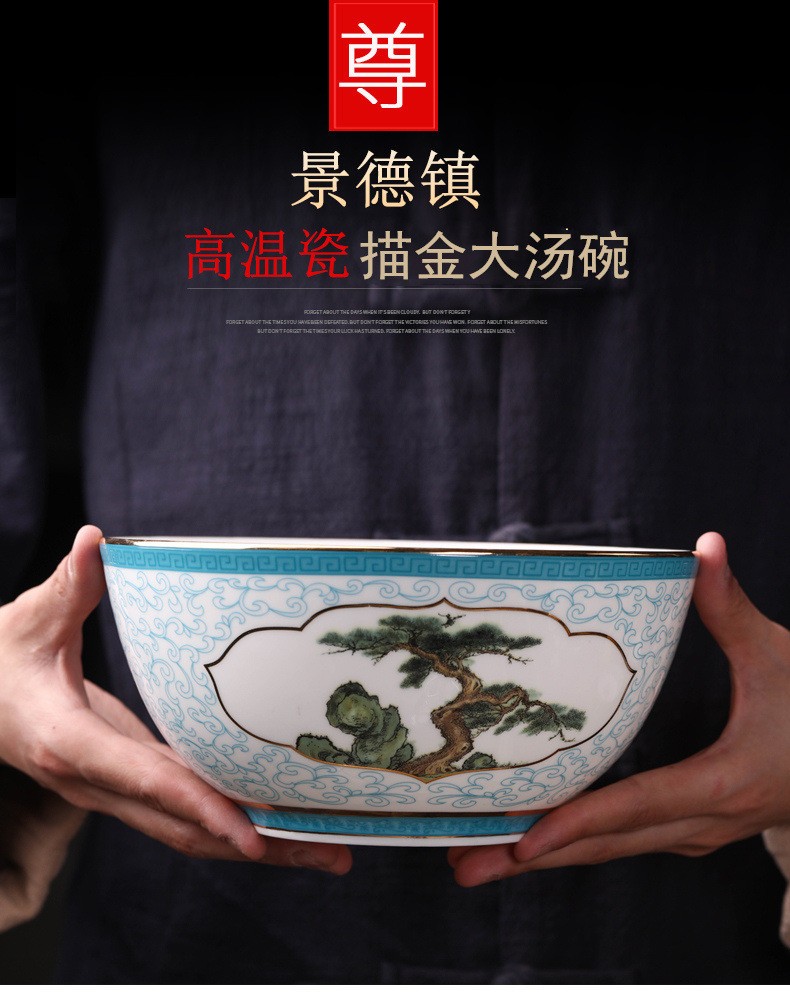
- Gold or platinum stamping - a premium effect for high-end and gift ranges. It is a metallic decoration, so items with it are normally not microwave safe, and the fact must be stated on the packaging.
The practical rule: put anything the customer must still read after three years on the base as an underglaze mark, and treat face decoration as a design element rather than as brand documentation.
3. Face decoration techniques
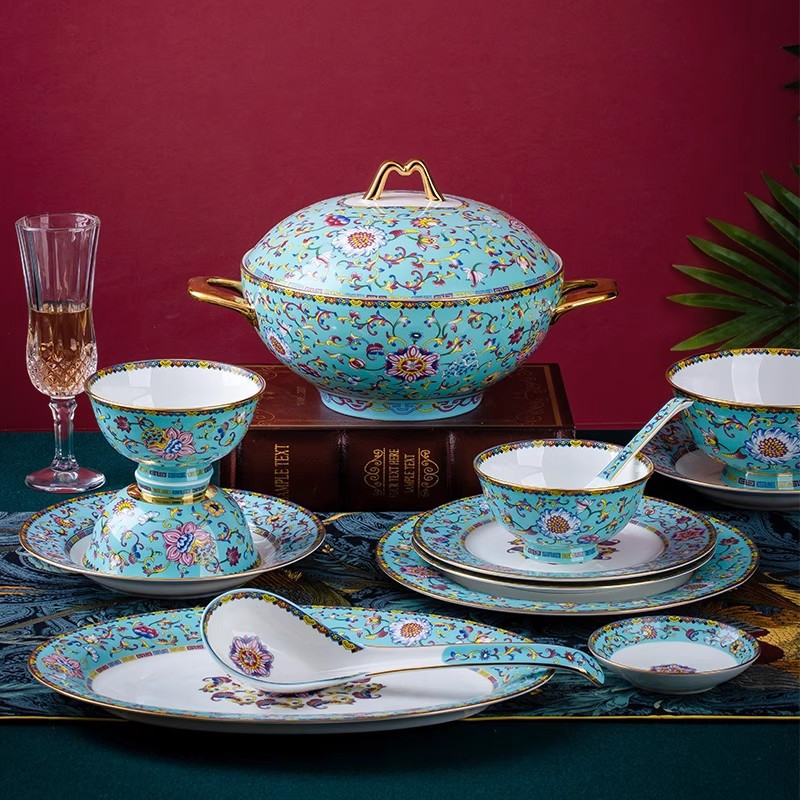
- Waterslide decals - the workhorse for patterned tableware. One decal per design; the artwork is produced once and applied by hand, so a new pattern carries a decal-making cost and a minimum quantity.
- Screen printing onto the glaze - efficient for simple, repeated patterns and rim lines, and cost-effective at volume.
- Hand painting - for one-off, artisanal and premium ranges where deliberate variation is part of the value. Slow, and consistency depends on the painter.
- Gold and platinum banding - applied as a liquid precious-metal preparation and fired; the most recognised premium signal on tableware, with the microwave caveat above.
- Laser and pad printing - useful for small marks and short runs, generally less durable than fired decoration.
Whatever the technique, decoration that touches food or is washed repeatedly must be tested for the destination market - which is why decoration choices and food-contact requirements should be decided together rather than sequentially.
4. Packaging: where fragile products are won or lost
Ceramics break. Packaging is therefore both a brand statement and a breakage-control system, and it should be specified as carefully as the product.
- Set configuration. Define exactly what is in the box - piece count, items, sizes - and how the items nest. A set that fits loosely needs more protective material than one designed to nest.
- Box type. Plain brown carton for bulk and foodservice, printed colour box for retail, rigid gift box for premium and corporate gifting, and foam or moulded pulp inserts where the pieces must not touch.
- Protection per piece. Paper wrap, foam pouches or compartmented inserts; plates usually need rim protection as well as face protection.
- Drop and transit performance. Agree the test the packed set must survive, and who pays for breakage in transit if it does not.
- Retail-ready data - barcode, item codes, country of origin, care instructions, microwave and dishwasher statements, and any market-specific labelling.
5. Specifying branding in one place
- Backstamp: exact artwork, size, position and method (underglaze, on-glaze, moulded).
- Face decoration: artwork file, colours, position tolerance and whether gold or platinum is used.
- Durability requirement: dishwasher cycles, food contact, and the test report the buyer needs.
- Packaging: box type and material, print artwork, insert type, piece arrangement, and carton quantities.
- Labels and data: barcodes, care symbols, origin, warnings for precious-metal decoration.
- Reference sample: one physical approved set, identical in decoration and packaging, kept by both parties.
Sourcing checklist
- Confirm the backstamp method and its expected durability before approving artwork.
- Ask for the decal or printing tooling cost and the minimum quantity per pattern.
- Check that decoration has been tested for the destination market's food-contact rules.
- Agree who designs the packaging artwork and who approves the print proof.
- Test the packed set for transit, not just the piece on a bench.
- Keep an approved reference set - product, decoration and packaging - and use it for every shipment comparison.
Juxinmeng Ceramic produces private-label porcelain, bone china and stoneware ranges with custom backstamps, decal and gold decoration, and gift or retail packaging. Send us your artwork, set configuration and target market and we will recommend a branding and packaging route.